Conwy Castle - £25.00
Conwy Castle Illustration
£25.00
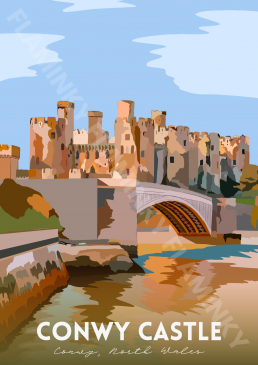
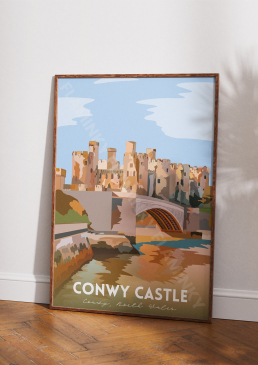
Conwy Castle is a digitally hand-drawn illustration from the Places Series, celebrating one of North Wales’ most iconic medieval landmarks. The artwork captures the castle’s towering stone walls and battlements rising above the river, with its reflection shimmering in the water below. Rendered in bold colour blocks and clean forms, the piece combines historical grandeur with a contemporary poster art style, making it both nostalgic and modern.
Style
Digital hand-drawn illustration with poster art and bold color blocking
Subject
Conwy Castle in North Wales, highlighting its medieval architecture and dramatic riverside setting
Background
Soft blue sky and reflective water that enhance the castle’s strength and presence
Series
Places | Welsh Places

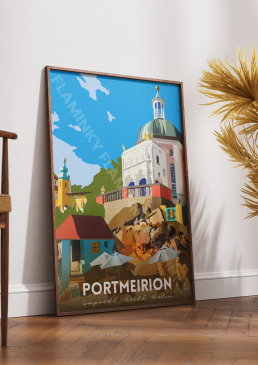
Portmeirion - £25.00
Portmeirion Illustration
£25.00
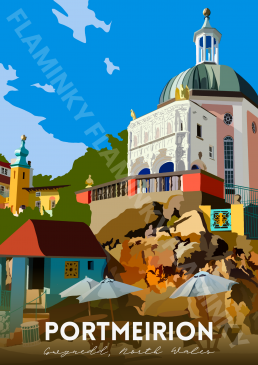
Portmeirion is a digitally hand-drawn illustration from the Places Series, celebrating the whimsical charm of this iconic village in Gwynedd, North Wales. The artwork captures the eclectic architecture, bold colours, and Mediterranean-inspired details that make Portmeirion so unique. With its bright blue skies, sunlit domes, and vibrant facades, the piece evokes the joy of travel, culture, and discovery, offering a modern take on classic travel poster design.
Style
Digital hand-drawn illustration with bold color blocking and poster art influences
Subject
The distinctive architecture of Portmeirion, featuring domes, facades, and dramatic rocky landscape
Background
Clear blue sky and layered structures highlighting the village’s playful elegance
Series
Places | Welsh Places

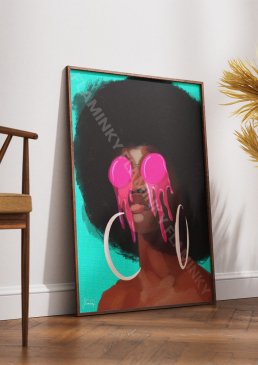
Afro - £25.00
Afro
£25.00
Afro is a digitally hand-drawn portrait from the Pop Nostalgia Series, merging retro culture with bold surrealism. The artwork features a striking figure with a voluminous afro, oversized hoop earrings, and dripping neon-pink glasses that melt into the composition. Set against a vibrant turquoise halftone background, the piece radiates confidence, power, and playful rebellion while reimagining 70s-inspired style through a modern pop art lens.
Style
Digital hand-drawn illustration with pop art and surrealist influences
Subject
A stylized portrait featuring a bold afro, large hoop earrings, and melting neon-pink glasses
Background
Bright turquoise halftone backdrop, amplifying the retro pop aesthetic
Series
Pop | Nostalgia

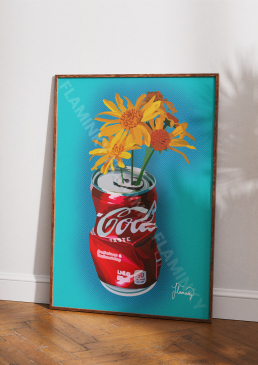
Flower Cola - £25.00
Flower Cola
£25.00
Change the color to match your brand or vision, add your logo, choose the perfect layout, modify menu settings, add animations, add shape dividers, increase engagement with call to action and more.
Style
Digital hand-drawn illustration with pop art and contemporary influences
Subject
A crushed soda can used as a vase, filled with vivid yellow flowers
Background
Bright turquoise with halftone texture, adding energy and contrast
Series
Plants

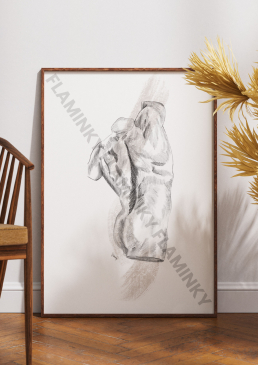
Male Back Torso - £25.00
Male Back Torso
£25.00
Male Back Torso is a digitally hand-drawn anatomical study that celebrates the strength and structure of the human form. Rendered with expressive pencil strokes and subtle tonal shading, the artwork highlights the muscular definition and natural contours of the male back. The textured sketch-like finish gives the piece a timeless, classical quality while retaining a modern digital edge.
Style
Digital hand-drawn anatomical study with sketch and shading techniques
Subject
Male torso from the back, emphasizing musculature and form
Background
Minimal with soft textured strokes that frame the figure
Series
Traditional

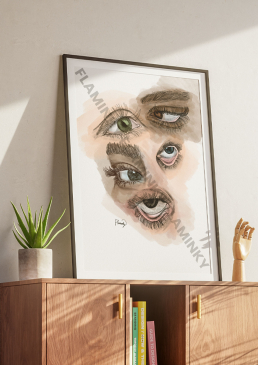
Eyes - £25.00
Eyes
£25.00
Eyes is a digitally hand-drawn study exploring expression, individuality, and human connection through one of the most powerful features of the face. The artwork presents multiple eyes in varied colours and shapes, layered together with soft watercolour washes and textured pencil detailing. Each gaze tells its own story, from curiosity to contemplation, creating a composition that feels both intimate and surreal.
Style
Digital hand-drawn illustration with watercolor textures and fine pencil detail
Subject
A collection of expressive eyes in varying colors and perspectives
Background
Minimal with soft, layered washes that highlight the central forms
Series
Traditional

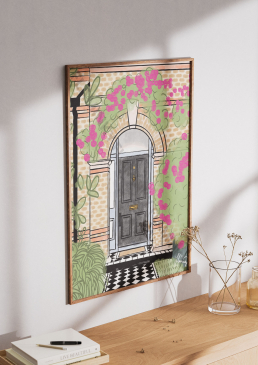
Townhouse Doorway - £25.00
Townhouse Doorway
£25.00
Townhouse Doorway is a digitally hand-drawn piece from the House Series, celebrating the elegance of architectural details and the charm of everyday beauty. The artwork highlights a striking black door framed by an arched brick entryway, adorned with cascading pink blossoms and lush greenery. A black-and-white tiled path leads to the entrance, creating a sense of timeless sophistication and inviting warmth.
Style
Digital hand-drawn architectural illustration with botanical accents
Subject
A townhouse entrance featuring a black door, arched brick frame, floral vines, and tiled pathway
Background
Soft neutral tones with natural greenery and flowers enhancing the doorway’s character
Series
Building | House

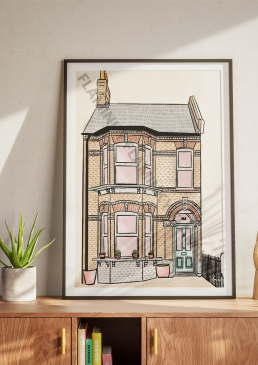
Cream Town House - £25.00
Cream Town House
£25.00
Cream Town House is a digitally hand-drawn illustration from the House Series, capturing the timeless elegance of classic British architecture. The artwork showcases a charming townhouse with warm cream brickwork, ornate detailing, and large sash windows framed by subtle red accents. A soft pastel teal door and potted plants add a welcoming touch of character, while the clean, minimal backdrop emphasises the building’s historic charm and refined symmetry.
Style
Digital hand-drawn architectural illustration with a soft, modern palette
Subject
A traditional British townhouse with cream brickwork, arched doorway, and large bay windows
Background
Minimal light backdrop, drawing focus to the architectural details
Series
Houses | Building

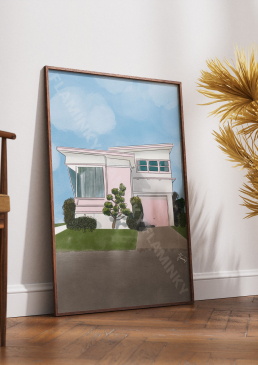
70s Classic House - £25.00
70s Classing House
£25.00
This digital hand-drawn illustration is part of the House Series, celebrating the charm of mid-century modern architecture with a fresh, playful perspective. The artwork features a pastel pink and white home with sharp angular lines, geometric windows, and manicured greenery that highlight the timeless elegance of retro suburban design. A bright blue sky serves as the backdrop, enhancing the dreamy yet nostalgic atmosphere of the piece.
Style
Digital hand-drawn architectural illustration with clean lines and retro-inspired colors
Subject
A pastel mid-century modern home with geometric design, angled roof, and lush landscaping
Background
Soft blue sky with watercolor-like clouds, adding lightness and warmth to the composition
Series
House | Building

Retro Shock - £25.00
Retro Shock
£25.00
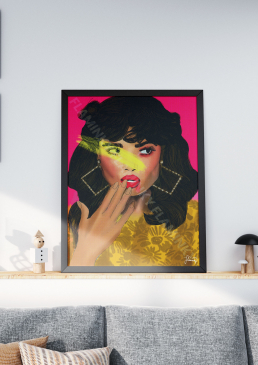
Retro Shock is a digitally hand-drawn portrait from the Pop Nostalgia Series, radiating bold expression and electrifying charm. The figure, styled with voluminous dark waves, dramatic brows, and square statement earrings, exudes vintage glamour with a modern twist. A vivid yellow brushstroke cuts across the eyes, amplifying the sense of surprise and attitude, while a hot pink halftone background and golden floral pattern complete the striking pop art aesthetic.
Style
Digital hand-drawn illustration with pop art and retro influences
Subject
A stylized portrait featuring a glamorous figure with voluminous hair, bold brows, and statement accessories
Background
Hot pink halftone backdrop with golden floral detail, heightening the drama and nostalgia
Series
Pop Nostalgia Series